How the Columbus property context affects the scope
System selection is checked against deck capacity, insulation needs, rooftop equipment, ponding patterns, wind exposure, repairability, and warranty requirements.

Roof System for Columbus commercial properties
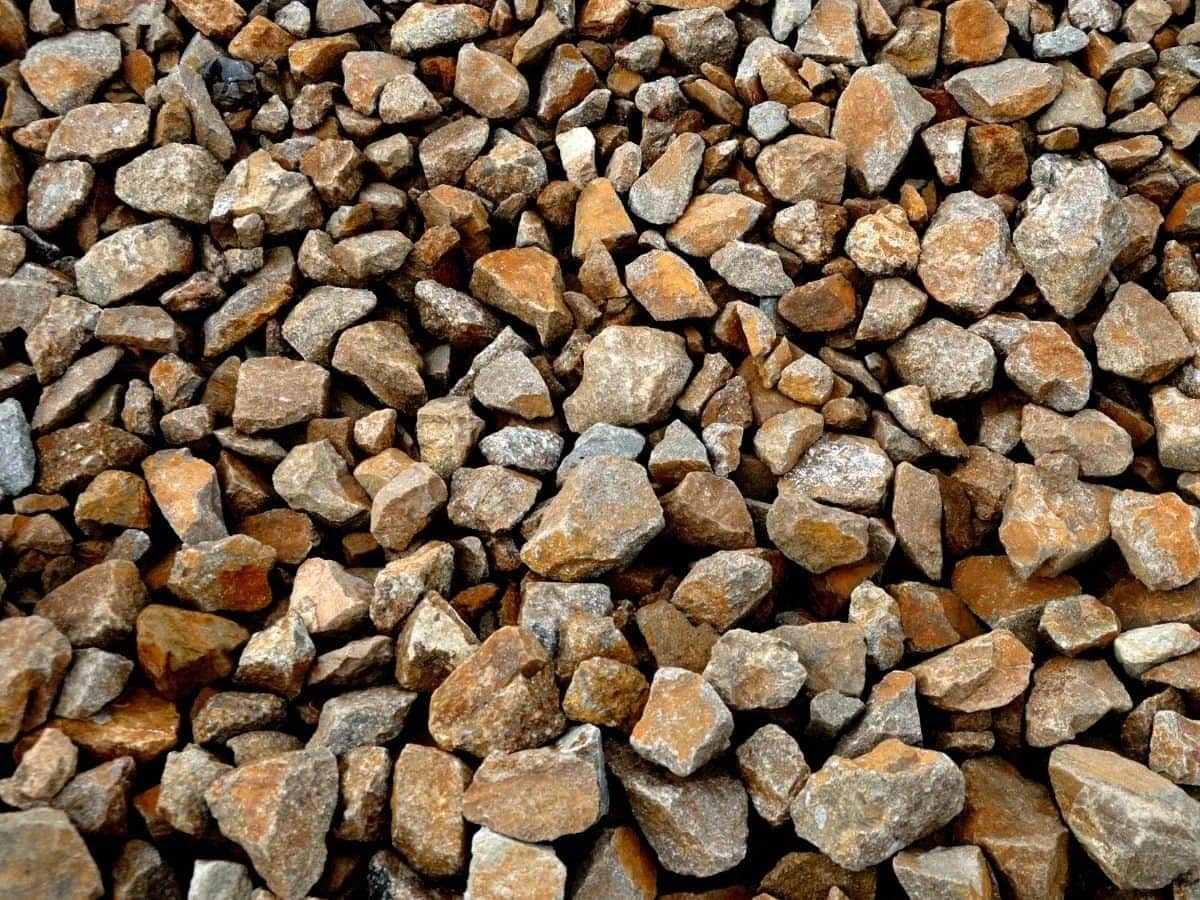
Ballasted roofing is the lowest-cost installation method for large-footprint single-story commercial buildings, no fasteners through the membrane plane, no adhesive application, river stone ballast holding the membrane and protecting it from UV exposure. Columbus warehouse, distribution, and single-story industrial buildings with adequate deck load capacity are the primary candidates. We assess deck load, specify the ballast assembly, and install ballasted TPO and EPDM across the Columbus metro.
A ballasted roof system is exactly what the name describes: a membrane laid loose over the insulation layer and held in place by the weight of aggregate ballast, typically 1.5-inch river stone applied at 10 to 12 pounds per square foot. The membrane is not fastened to the deck, not bonded to the insulation. The ballast holds it down.
System selection is checked against deck capacity, insulation needs, rooftop equipment, ponding patterns, wind exposure, repairability, and warranty requirements.
Owners receive a system-level recommendation that explains what can stay, what should be removed, where risk remains, and how the selected assembly should be maintained.
Questions
We start with the building's structural drawings to identify the deck type and design load, then run the ballast load calculation against the available structural capacity. If drawings are not available, common on Columbus industrial buildings from the 1970s, we conduct a structural review with a licensed Ohio structural engineer before finalizing the system recommendation. The calculation is not complex, but it must be done before a ballasted system is specified. We provide the structural review coordination as part of the assessment process.
River stone ballast at 10 to 12 pounds per square foot is heavy enough that hail impact does not displace it. Large hail events in Columbus, golf-ball-sized or larger, do not move properly applied ballast. The concern after a hail event is whether any hail has displaced ballast from perimeter zones or penetration areas where the ballast is thinner and the impact energy can push stones off the membrane. We include perimeter and penetration zone inspection as part of any Columbus post-storm damage assessment on ballasted roofs.
Walking on river stone ballast is awkward and can displace ballast from the zone under foot traffic. For Columbus commercial buildings with frequent rooftop service access for HVAC, electrical, or other maintenance, we specify concrete paver walkways over the ballasted membrane field, typically 2-foot-square pavers set on proprietary pedestals over the membrane surface. The pavers provide a stable walking surface and distribute load without displacing the surrounding ballast. We include paver walkway design in our Columbus ballasted roof scopes for buildings with documented service traffic patterns.
Share the building address, roof history, current concern, timing, and access constraints. We will give you a practical next step for inspection, repair, maintenance, coating, or replacement planning.
Contact Commercial Roofers of Columbus