How the Columbus property context affects the scope
The building type affects staging, work hours, tenant protection, rooftop equipment coordination, drainage review, access routes, and closeout documentation.

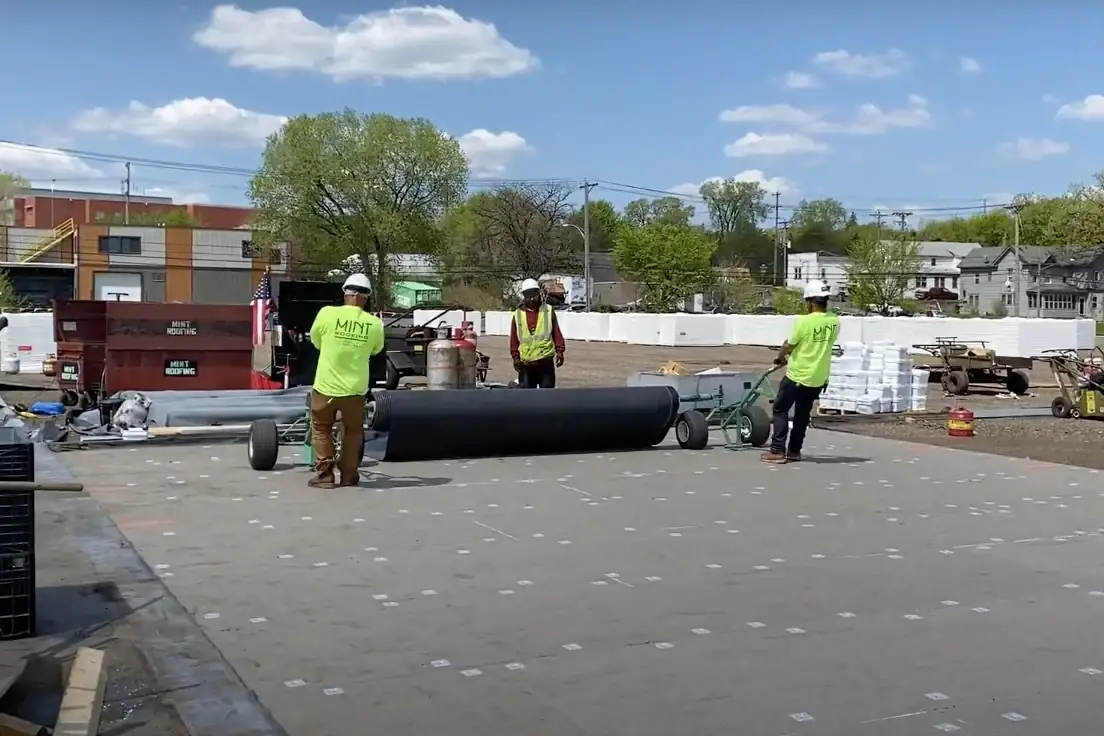
Property Type for Columbus commercial properties
The Short North's restaurant corridor, German Village's dining scene, and the Brewery District represent Columbus's highest-density food and beverage district. Restaurant roofs have grease exhaust penetrations that degrade standard TPO membrane, the roofing specification and maintenance approach for a restaurant is different from every other commercial building type.
Columbus has one of the most active restaurant scenes in the Midwest. The Short North Arts District along High Street has more restaurants per block than almost any comparable strip in Ohio, Brassica, Barcelona, Bakersfield, The Pearl, and dozens of others occupy buildings from two to four stories with flat roofs directly above commercial kitchen exhaust systems. German Village south of downtown has an established dining scene in historic 19th-century buildings that creates a specific set of roofing challenges. The Brewery District between downtown and German Village has repurposed industrial buildings where restaurant and bar tenants have installed commercial kitchen equipment in former manufacturing spaces.
The building type affects staging, work hours, tenant protection, rooftop equipment coordination, drainage review, access routes, and closeout documentation.
The result is a property-specific roof plan that protects the building use while giving ownership a clear scope, schedule, access plan, and budget path.
Questions
TPO membrane is not resistant to petroleum-based grease. Commercial kitchen exhaust carries aerosolized grease that deposits on the roof membrane in a zone around the exhaust outlet. Repeated grease exposure softens TPO membrane, causes seam adhesion failures in the affected zone, and accelerates UV degradation of the membrane surface. PVC membrane is resistant to grease and petroleum-based compounds, which makes it the correct specification for the zone around restaurant exhaust penetrations. I specify PVC in the grease exposure zone and TPO in the field, with a manufacturer-approved transition detail.
Work on the roof assembly that is not visible from the street, membrane replacement behind the parapet, drain work, insulation replacement, typically does not require German Village Commission review. Work that is visible from the street, parapet cap replacement, visible flashing replacement, new exhaust penetrations that affect the parapet profile, may require Certificate of Appropriateness review. I identify the review requirement for each element of the scope before the project is finalized so the client understands the approval timeline.
For active restaurant buildings, I schedule the noisiest work, tear-off, deck fastening, saw-cutting, during the building's closed period. For Short North restaurants that close by midnight, morning work windows starting at 8 AM and running through the afternoon before service prep begins are the standard approach. For 24-hour operations or late-night venues, I identify the lowest-activity window in the building's weekly schedule and build the production plan around it.
Share the building address, roof history, current concern, timing, and access constraints. We will give you a practical next step for inspection, repair, maintenance, coating, or replacement planning.
Contact Commercial Roofers of Columbus