How the Columbus property context affects the scope
The building type affects staging, work hours, tenant protection, rooftop equipment coordination, drainage review, access routes, and closeout documentation.

Property Type for Columbus commercial properties
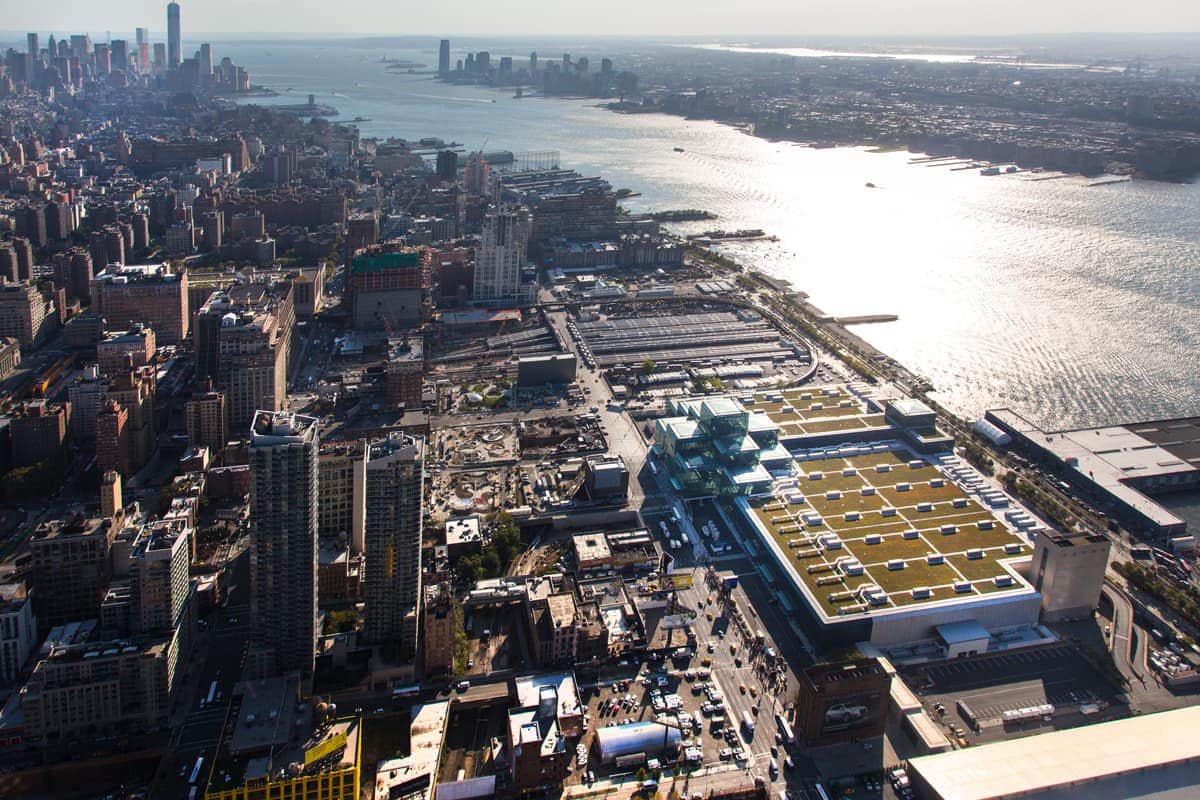
Event venues and convention centers carry some of the largest and most logistically demanding roofs in central Ohio. A single low-slope field over a convention hall or arena can stretch across hundreds of thousands of square feet of clear-span deck, drain thousands of gallons during a storm, and sit directly above an exhibit floor packed with vendors, attendees, and irreplaceable production gear. When that roof leaks, the cost is not just water damage. It is a canceled keynote, a flooded trade-show booth, a soaked stage rig, and a reputation hit that follows a venue for years. Roofing these buildings is as much about scheduling and risk control as it is about membrane and fasteners.
Columbus is a genuine event city. The Greater Columbus Convention Center is central to a downtown campus that hosts national conferences, while the Ohio Expo Center and State Fairgrounds runs the Ohio State Fair and a year-round calendar of expos, and venues like KEMBA Live! (formerly Express Live), The Bluestone, and the Ohio Union keep crowds moving through concerts, banquets, and student events. These buildings sit in ASHRAE climate zone 5A, a cold and humid region that pushes roughly 65 to 70 freeze-thaw cycles through every seam and termination each year, layers on meaningful snow and ice-dam loading in winter, and then bakes the same membrane under humid summer sun. A roof over a Columbus venue has to absorb all of that while honoring an event calendar that almost never goes quiet.
The building type affects staging, work hours, tenant protection, rooftop equipment coordination, drainage review, access routes, and closeout documentation.
The result is a property-specific roof plan that protects the building use while giving ownership a clear scope, schedule, access plan, and budget path.
Questions
Yes. Large convention and event buildings are almost always re-roofed while occupied, by phasing the work around the event calendar. We section the roof so each area is opened, dried in, and closed within a single work window, confine overhead activity to times when no public is below, and coordinate staging and life safety with venue operations. The building keeps hosting events while the roof is replaced section by section.
For broad low-slope fields, welded single-ply membranes like TPO and PVC are usually the strongest fit because their heat-welded seams stay monolithic across long runs and their reflective surface cuts the heavy summer cooling load. The right attachment method and insulation depth depend on the deck, wind exposure, and rooftop equipment, but a reflective single-ply over about R-25 of polyiso with a cover board is a dependable baseline for central Ohio venues.
With engineered tapered insulation that builds positive slope across the field, crickets behind large curbs to break up ponding, and redundant overflow scuppers and secondary drains sized for a blocked primary. Columbus storms can drop a lot of water fast, so we also keep drains and strainers on a seasonal cleaning schedule, especially around the fairgrounds and tree-lined sites where debris collects.
Share the building address, roof history, current concern, timing, and access constraints. We will give you a practical next step for inspection, repair, maintenance, coating, or replacement planning.
Contact Commercial Roofers of Columbus