How the Columbus property context affects the scope
Owner-side support is centered on defensible roof information: photos, measurements, moisture findings, repair history, bid assumptions, and budget timing.

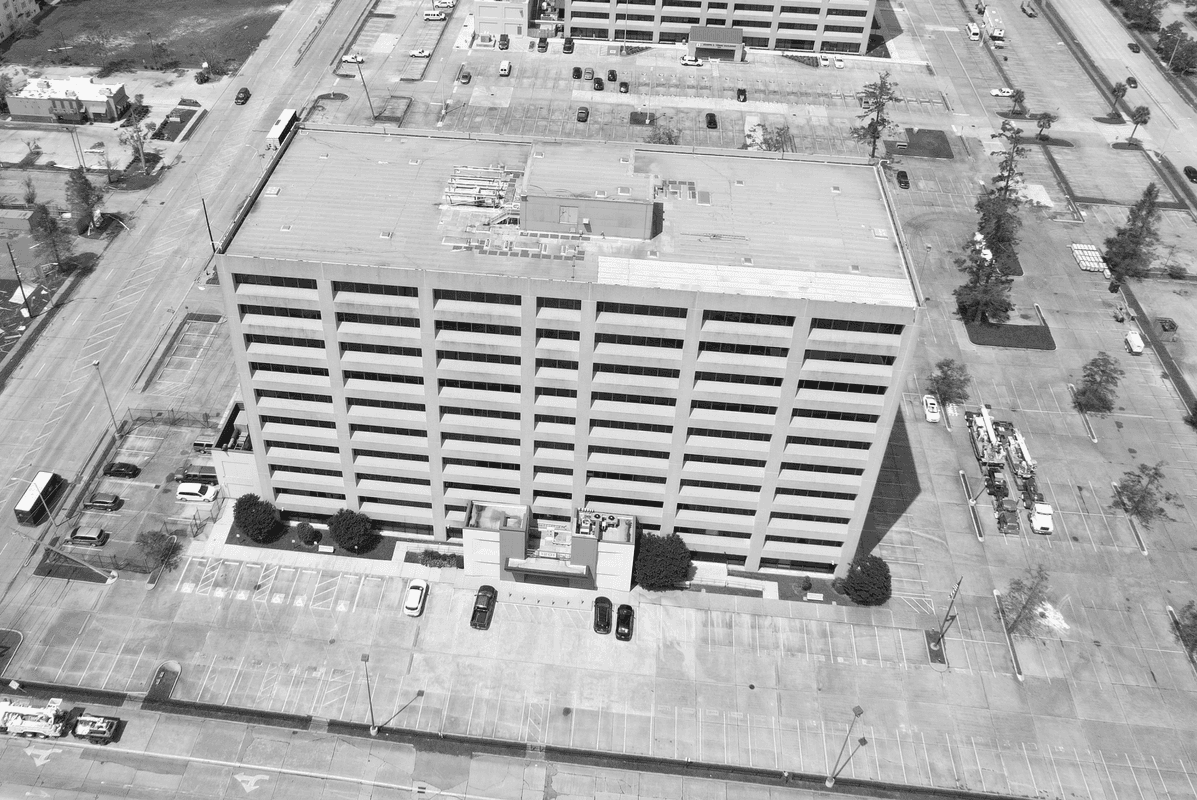
Capability for Columbus commercial properties
One of the most consequential, and most frequently mishandled, decisions a Franklin County building owner faces is whether an aging low-slope roof can be recovered with a new membrane installed over the old, or whether it must be torn off to the deck and fully replaced. The recover route can cost meaningfully less and disrupt operations less, but it is only sound under specific conditions. Choose recover when a tear-off was required, and you trap moisture, overload the deck, or void the warranty. A replacement vs. recover analysis answers the question with data rather than optimism: core samples, moisture mapping, layer-count verification, deck and structural review, and a written recommendation an owner can budget against and defend.
This decision carries extra weight in central Ohio because of the climate. Columbus sits in ASHRAE/IECC climate zone 5A, cold and humid, and runs roughly 65 to 70 freeze-thaw cycles a year. Moisture trapped inside a roof assembly here does not sit quietly; it migrates, freezes, expands, and degrades insulation and deck over every winter. Recovering over wet insulation in zone 5A is a slow-motion failure. A disciplined analysis exists precisely to keep owners from making that mistake, and to give them a defensible basis for the capital decision either way.
Owner-side support is centered on defensible roof information: photos, measurements, moisture findings, repair history, bid assumptions, and budget timing.
The output is written so owners can compare options, defend budgets, manage procurement, and keep roof information useful after the immediate decision is made.
Questions
No. Recover is only viable when there is one existing roof system, the insulation is dry, and the deck is sound enough to hold fasteners. If any of those fails, wet insulation, two existing layers, or a deteriorated deck, a tear-off is required. In central Ohio's zone 5A climate, confirmed moisture almost always tips the decision to tear-off, because trapped water cycles through 65 to 70 freeze-thaw events a year and destroys the assembly from the inside.
We map moisture with a combination of methods: an infrared scan to locate suspect areas, nuclear or capacitance meter readings to quantify them, and physical core cuts to prove what is actually inside the assembly. No single tool is conclusive alone, so we use them together. The core cuts are definitive, we can see, touch, and test the insulation and deck, and every core is documented and properly sealed.
The Ohio Building Code follows the International Building Code, which caps a low-slope building at two roof systems. Beyond the weight and fastening concerns, multiple buried layers hide moisture and deck damage and complicate future work. If your building already has two systems, a third is not permitted and a full tear-off is mandatory, which is why verifying the existing layer count through cores is a key part of the analysis.
Share the building address, roof history, current concern, timing, and access constraints. We will give you a practical next step for inspection, repair, maintenance, coating, or replacement planning.
Contact Commercial Roofers of Columbus