How the Columbus property context affects the scope
Local roof planning accounts for building age, corridor exposure, freeze-thaw movement, rooftop equipment density, traffic access, and storm history.

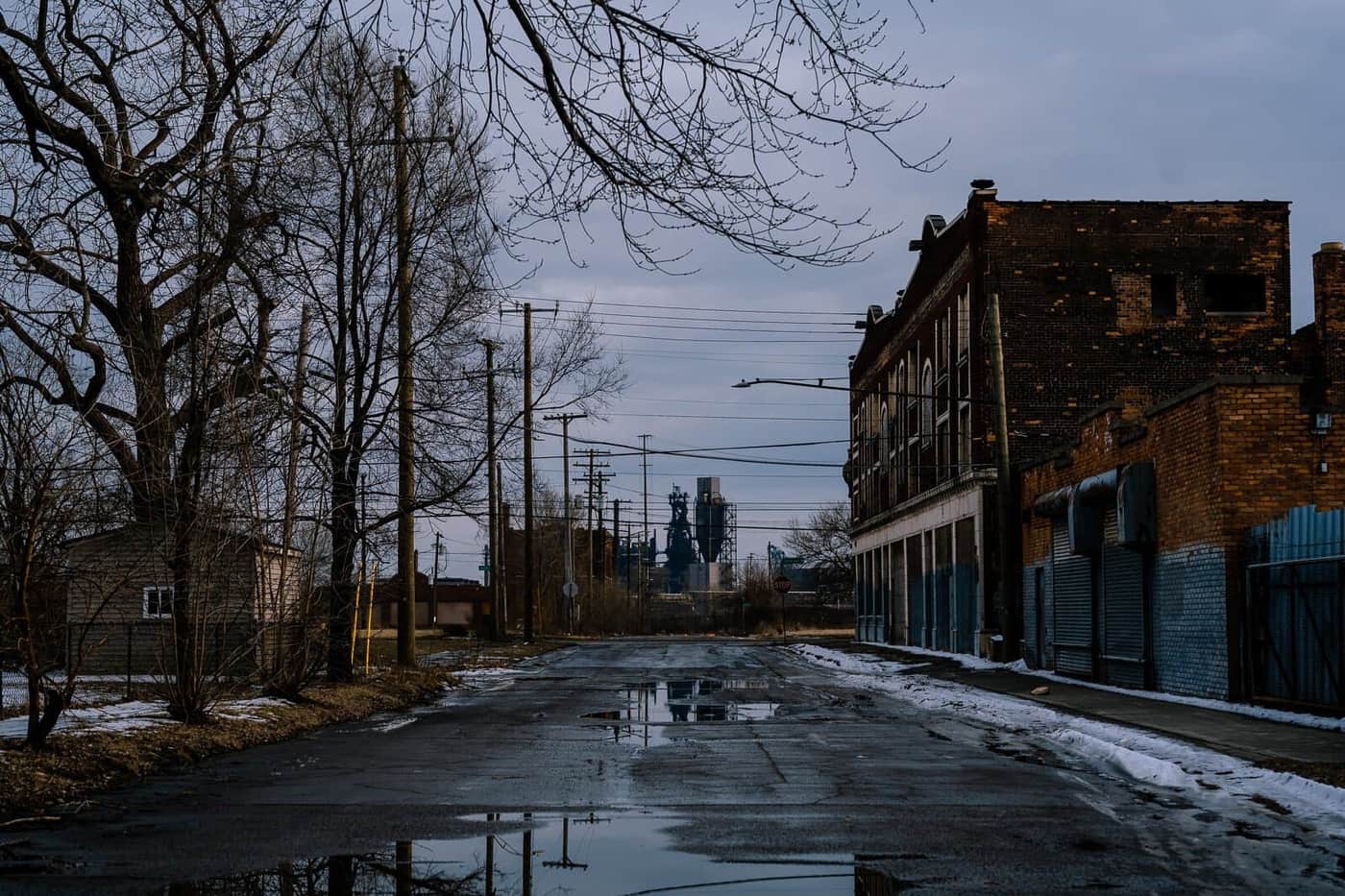
Commercial roofing in West Columbus, OH should begin with a documented assessment of membrane condition, seams, flashings, drainage, penetrations, and moisture before repair, coating, or replacement is selected.
Location for Columbus commercial properties
West Columbus, the Hilltop neighborhood, West Broad Street, the West Side industrial corridor, and the Franklinton redevelopment zone across the Scioto River from Downtown, is a working commercial district with a concentration of mature industrial, warehouse, and neighborhood commercial buildings.
West Columbus is one of the oldest commercial and industrial districts in the city. West Broad Street is the main commercial artery, lined with auto repair shops, neighborhood retail, light industrial, and the kind of small commercial buildings that have been in the same ownership for decades. The Hilltop neighborhood around Hague Avenue and West Broad has a mix of neighborhood commercial, small strip retail, freestanding commercial, and the occasional mid-size office building, and the industrial stock along West Mound Street and the railroad corridors.
Local roof planning accounts for building age, corridor exposure, freeze-thaw movement, rooftop equipment density, traffic access, and storm history.
The recommendation is mapped to the building and surrounding Columbus-area conditions rather than a one-size roof package.
Questions
Yes. We do not have a minimum project size for west Columbus commercial buildings. A 3,000-square-foot strip retail unit with a leaking roof is a real problem for the business owner inside, and it deserves a documented assessment and a clear recommendation. Our minimum mobilization cost applies, but the assessment and condition report are part of every engagement regardless of building size.
Start with an assessment, a documented roof walk, core samples, and a written condition report. We pull two to four cores on a typical industrial building and include a roof zone diagram with all section conditions noted. The report gives you the information you need to make a capital decision: current condition, repair-or-replace recommendation, projected cost range, and manufacturer warranty options if replacement is warranted. That report is yours regardless of what you decide to do next.
Franklinton was a chronic flood zone before the Army Corps of Engineers flood control improvements in the early 2000s. Modern Franklinton commercial buildings are built above the new flood control elevation and do not face the direct flood risk the neighborhood had historically. However, older buildings in Franklinton that experienced flooding before the flood control improvements may have water damage in their roof assemblies from events that preceded the current ownership. Core samples on older Franklinton buildings sometimes reveal moisture that dates to flood events rather than roof failure, a distinction that matters for scope writing.
Share the building address, roof history, current concern, timing, and access constraints. We will give you a practical next step for inspection, repair, maintenance, coating, or replacement planning.
Contact Commercial Roofers of Columbus