How the Columbus property context affects the scope
Damage review starts with the weather event or observed failure, then separates new impact from existing roof condition before the repair scope is set.

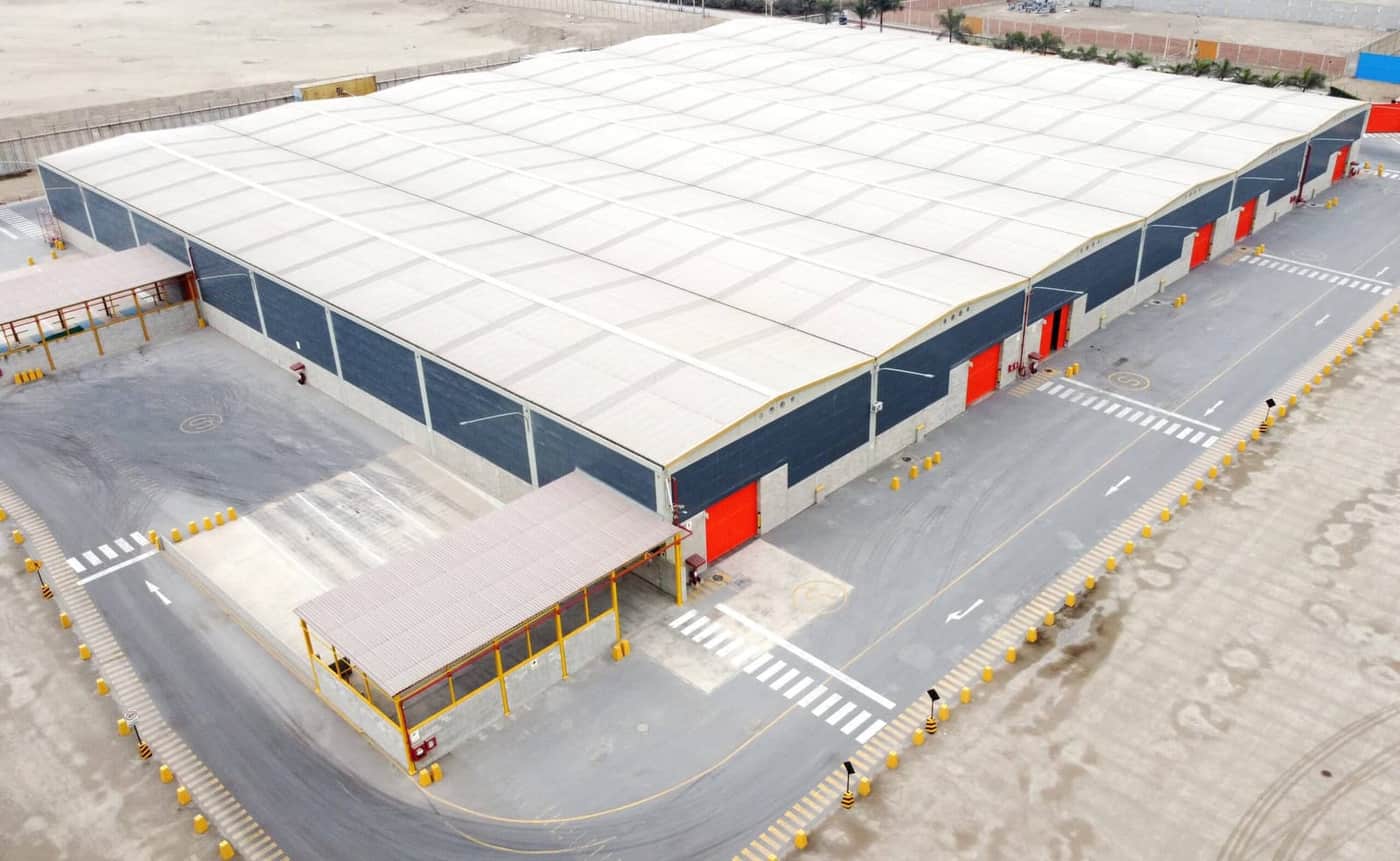
Damage Repair for Columbus commercial properties
Tornado roof damage on commercial buildings follows predictable patterns. Understanding those patterns determines how we scope the repair, what we document for the insurance claim, and how we sequence the dry-in to prevent interior damage from compounding the loss.
Tornadoes generate rotational wind loads that act on roof assemblies differently than straight-line derecho wind. In a straight-line event, wind load acts primarily on the windward perimeter, corners and edges are where mechanically attached membranes fail first, and that is where we look initially in straight-line damage. In a tornado event, the rotational component means the uplift pressure reverses direction as the funnel passes. A mechanically attached TPO roof that would survive a 90 mph straight-line wind may fail completely in a 90 mph rotational tornado wind because the fasteners are stressed from multiple directions in sequence.
Damage review starts with the weather event or observed failure, then separates new impact from existing roof condition before the repair scope is set.
The outcome is documentation owners can use to decide whether repair, replacement, temporary stabilization, or claim support is the right next move.
Questions
For confirmed tornado events affecting Franklin County or adjacent counties, we dispatch assessment crews the morning after the event, or the same evening if daylight and site safety allow. Emergency dry-in tarping can typically be deployed within four to six hours of confirmed dispatch during daylight hours. We prioritize occupied buildings and buildings with active interior water infiltration.
Standard commercial property policies cover windstorm damage, which includes tornado events. The deductible structure varies, some policies have a percentage-of-insured-value windstorm deductible rather than a flat dollar deductible, which can be significant on large commercial buildings. Review your policy's windstorm deductible language before the claim is filed. We provide documentation support but do not advise on policy terms.
We work across the Columbus metro and into surrounding counties, Delaware, Licking, Fairfield, Union, Madison, and Logan. For the 2024 Logan County outbreak area specifically, we dispatched assessment teams to Russells Point and Lakeview within 48 hours of the event. Contact us to confirm current mobilization capacity for your specific location.
Share the building address, roof history, current concern, timing, and access constraints. We will give you a practical next step for inspection, repair, maintenance, coating, or replacement planning.
Contact Commercial Roofers of Columbus